The best Social Media for Visual Artists
Updated: Aug 13
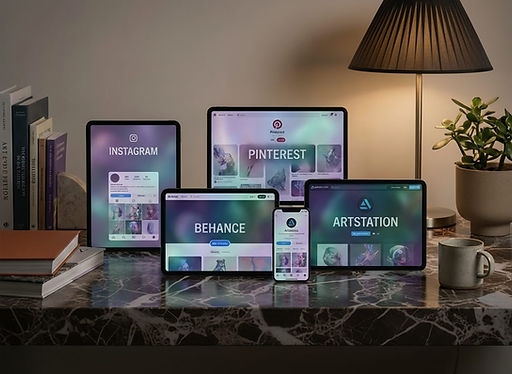
Sometimes, the difference between being seen and being overlooked has nothing to do with talent.
Only placement.
For visual artists, social media is no longer optional. It has become one of the most powerful ways to showcase work, build a following, connect with fans, and even sell art directly. However, not all platforms serve artists in the same way. Some favor fast engagement, while others focus on long-term discovery. A few are built specifically around creative communities.
Understanding where your work fits best is the first real step toward sustainable artistic growth online.
Why Social Media Matters for Visual Artists Today
For illustrators, painters, digital artists, photographers, and designers, social media plays three essential roles:
Artistic exposure: Making work discoverable beyond traditional galleries.
Community building for artists: Connecting with peers, fans, and collaborators.
Social media marketing for art: Positioning creative work in a professional, strategic way.
The most successful artists online are not those who post everywhere, but those who choose platforms that support their visual language, storytelling style, and long-term goals.
Best Social Media for Visual Artists: Platform-by-Platform Comparison
Instagram for Artists: Still a Visual Anchor
Instagram remains one of the strongest visual art platforms, particularly for showcasing cohesive portfolios and building a recognizable artistic brand.
Best for:
Visual storytelling
Personal branding
Process-based and behind-the-scenes art content
Key strengths:
Strong reach for images and short-form video.
Reels and Stories for engagement and narrative.
High potential for creative collaborations.
Limitations:
Algorithm volatility.
Increasing competition for organic reach.
Instagram works best when artists treat it as a curated visual space, not a content race. Engaging actively with followers, responding to comments, sharing user-generated content, and participating in creative challenges transforms casual viewers into loyal supporters. Understanding basic algorithm behavior, which posts are promoted, how engagement impacts visibility, and when to post can help artists maximize reach without sacrificing creativity.
TikTok Art Community: Engagement Over Perfection
TikTok has reshaped how art is discovered. It rewards authenticity, process, and emotional connection rather than polished presentation.
Best for:
Viral art content.
Art tutorials and workshops.
Behind-the-scenes creation.
Key strengths:
High reach potential, even for new accounts.
Strong engagement metrics.
Community-driven interaction.
Limitations:
Less suited for static portfolio presentation.
Requires comfort with video formats.
TikTok is ideal for artists who enjoy sharing their creative process and building loyalty through personality. Encouraging your community to create and share content inspired by your work not only boosts visibility but strengthens the sense of a shared creative experience.
Behance Project Showcase: Professional Visibility
Behance functions as a structured online portfolio rather than a traditional social network.
Best for:
Designers and digital artists.
Professional project presentation.
Industry exposure.
Key strengths:
Clean, professional layouts.
Visibility among creative professionals.
Integration with Adobe Creative Cloud.
Limitations:
Lower casual engagement.
Less effective for direct art sales.
Behance excels when depth and clarity matter more than speed. Developing an online portfolio that highlights your best work, organizes projects clearly, and allows potential clients or collaborators to navigate easily is essential for building professional credibility.
ArtStation Portfolio: Industry-Focused Platforms
ArtStation is a leading digital art platform for concept artists, illustrators, and creatives in gaming, film, and entertainment.
Best for:
High-level digital and concept art.
Industry recognition.
Technical credibility.
Key strengths:
Targeted professional audience.
Strong portfolio standards.
Career-oriented networking.
This platform prioritizes craftsmanship over trends.

DeviantArt Community Engagement: Feedback and Growth
DeviantArt remains one of the most community-driven creative networking platforms.
Best for:
Emerging artists.
Style experimentation.
Peer feedback.
Key strengths:
Active community engagement.
Contests, challenges, and collaborations.
Support for artistic growth through networking.
It is less about marketing and more about development and connection.

Pinterest for Artists: Discovery and Sales Potential
Pinterest operates as a visual search engine, making it highly effective for long-term discovery.
Best for:
Portfolio curation.
Driving traffic to websites or shops.
Art sales through social media.
Key strengths:
Long content lifespan.
Strong visual communication.
SEO-driven exposure.
Pinterest is especially valuable for illustrators, designers, and artists selling prints or digital products.
Emerging and Niche Platforms to Watch
Beyond established networks, niche platforms are gaining attention:
Cara: Artist-focused, anti-AI scraping, portfolio-friendly.
Discord communities: Deep creative networking and collaboration. Interactive content like polls, live Q&A, collaborative challenges, or tutorial workshops keeps audiences invested and fosters deeper engagement.
Smaller digital art platforms offering targeted exposure with less competition.
Early adoption can provide strong visibility within dedicated creative circles.


Which Platforms Are Best for Selling Art vs Showcasing It?
Best for selling art: Instagram, Pinterest, emerging artist-focused platforms.
Best for showcasing portfolios: Behance, ArtStation.
Best for engagement and growth: TikTok, DeviantArt.
Many artists benefit from combining two or three platforms rather than relying on one.
Practical Tips for Visual Artists on Social Media
To maximize impact:
Maintain consistent artistic branding across platforms.
Adapt content formats instead of reposting blindly.
Track engagement metrics, not just follower numbers.
Prioritize visual storytelling over trend imitation.
Use analytics to refine artist marketing strategies.
Sustainable growth comes from intention, not constant visibility.
Conclusion
The best social media for visual artists is not universal; it depends on artistic goals, preferred formats, and desired relationships with audiences. When platforms support visual communication, encourage interaction, and respect creative identity, social media becomes more than marketing. It becomes a living extension of the artistic practice itself.
Focus on creating content that aligns with your style, maintains visual consistency, and tells a story. Schedule posts regularly and experiment to see what resonates with your audience.

Comments